



• Anasayfa
  • Favorilere Ekle
  • Site Haritası
  • https://https://www.facebook.com/enerGYSolutionsBG
  • https://api.whatsapp.com/send?phone=+359895369907
  • https://www.instagram.com/energysolutionsbg
Time
Site Menu
Videos
Links
Calendar
Login
Banner

macstone panel

ROOF PANEL - WALL PANEL - SOLAR SOLUTIONS


www.europaperpack.com 

For info and order: office@europaperpack.com 


Home page


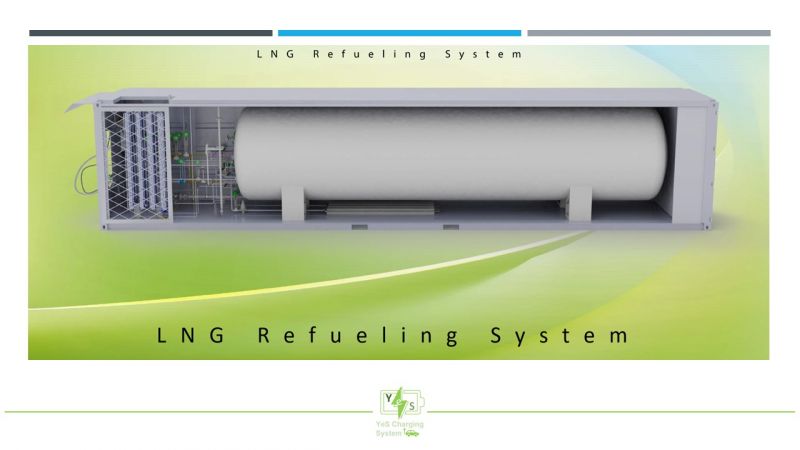
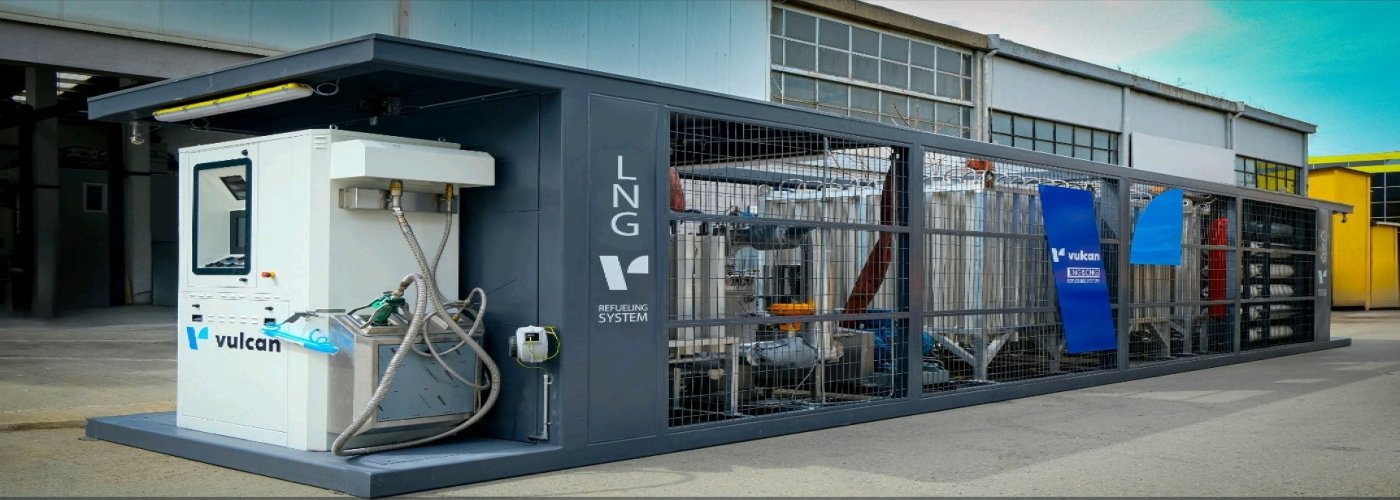
     LNG Refueling System

   
Product Code : YesLNG01
Producer : Uestco
Product Details
-Economic -Fast delivery -Plug and Play Product -Compact and portable -Increased LNG StockingTime -Internal Integrated Transmitter Smart Filling Unit
 Order        Details
 
 
Details

What is LNG (Liquefied Natural Gas)?

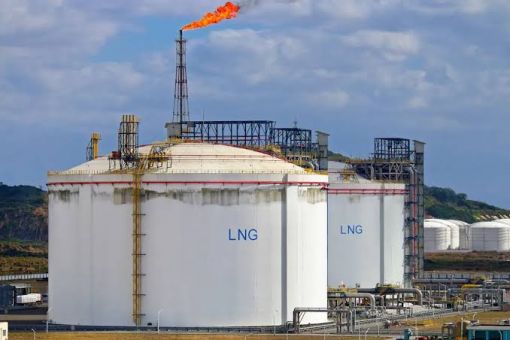
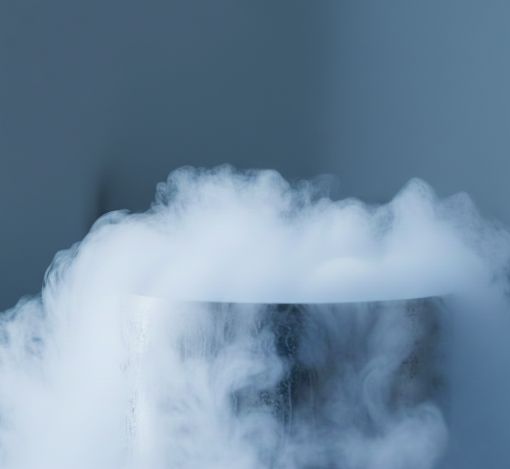
LNG is Natural Gas that has been cooled to -162°C at atmospheric pressure to transition it into a liquid phase. This cryogenic process reduces the gas’s volume by approximately 600 times, making storage and transportation much easier, safer, and more economical.

lng sıvılaştırma

01 / Why is Natural Gas Liquefied?

Many cities and industrial areas with high energy demand are geographically distant from natural gas reserves. These distances can make traditional pipeline solutions technically challenging or cost-ineffective. LNG technology makes energy independent of pipelines, allowing it to be transported globally with high efficiency via specialized ships and tankers.

Upon reaching its destination, LNG is either regasified in dedicated facilities and fed into the network for use, or it continues to be stored in its liquid form, depending on its intended application.

02 / LNG Key Features:

Safe

It is a colorless, odorless, non-toxic, and non-corrosive substance.

Environmentally Friendly

It has significantly lower carbon emissions compared to other fossil fuels.

Stable

LNG is non-flammable in its liquid form, which increases storage safety.


03 / What is LNG Used For?

LNG is a versatile fuel that enables global natural gas trade and ensures energy supply security. Besides providing energy to markets inaccessible by pipelines, it plays critical roles in various sectors of industry:

 lng sıvılaştırma

Electricity Generation (Power Plants)

LNG is a low-carbon, efficient fuel alternative for power generation facilities compared to coal and oil. In addition to helping lower emissions, it provides stability and operational flexibility to the electric grid by instantly activating when renewable energy sources like wind or solar are insufficient.

Transportation and Logistics

LNG is increasingly preferred in the transportation sector to reduce the carbon footprint. Especially in heavy-duty vehicles (trucks and lorries) and maritime transport, it offers a cleaner and more economical solution than diesel fuel, maintaining engine performance and facilitating compliance with emission standards.

Residential and Commercial Use

In areas without a natural gas network, LNG meets the heating and hot water needs of residences, hotels, or commercial buildings. The stored gas is also used as a reliable energy source for kitchen and cooking processes.

lng team


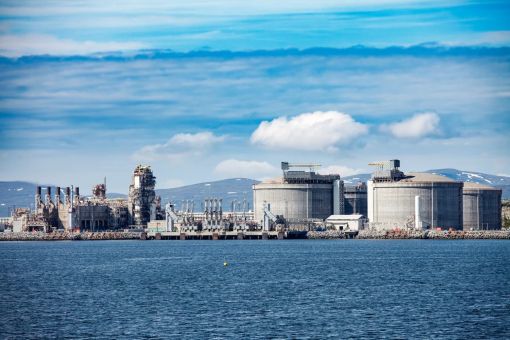
LNG Liquefaction Systems

Liquefied Natural Gas (LNG) is a critical component of the global energy landscape, providing an efficient means of transporting natural gas where pipelines are not feasible. The liquefaction of natural gas into LNG allows for a more compact storage and transportation solution, reducing its volume by approximately 600 times. This conversion plays a key role in providing a cleaner alternative to other fossil fuels and enhancing energy security in various regions. The LNG liquefaction process involves cooling natural gas to -162°C (-260°F), at which point it becomes a liquid. This introduction aims to delineate the various scales and techniques employed in LNG liquifaction technologies: large-scale, micro-scale, and small-scale.

LNG

Large-Scale Liquefaction

Large scale LNG liquefaction plants are cornerstone plants designed for high volume production, typically for international markets. These plants often incorporate one of two dominant technology options: the C3MR (Propane Pre-cooled Mixed Refrigerant) process and the APCI (Air Products and Chemicals Inc.) technology. Both technologies involve multiple refrigeration cycles that progressively cool natural gas using a combination of propane and mixed refrigerants. Large-scale operations benefit from economies of scale, but require significant capital investment and extensive infrastructure.

LNGG

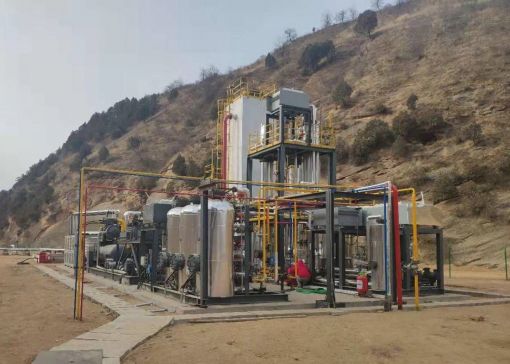
Small-Scale Liquefaction

Small-scale LNG liquefaction technologies serve a niche but growing market segment, particularly for regional distribution and as a fuel for heavy vehicles and ships. These plants generally operate in the capacity range of 0.1 to 1.0 MTPA. Small-scale facilities often utilize either single mixed refrigerant (SMR) technology or dual mixed refrigerant (DMR) processes, which are adaptations of the larger-scale refrigeration cycles but optimized for smaller outputs. These technologies offer a balance between scalability and investment, making them suitable for areas with moderate demand.

LNG SMALL

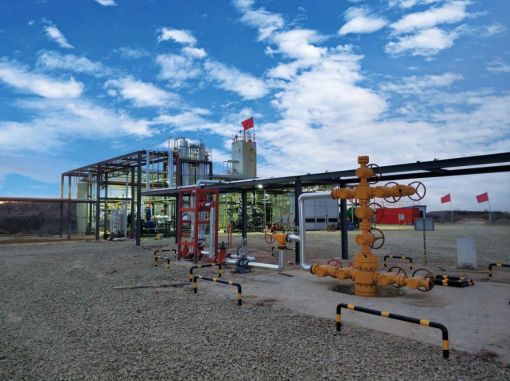
Micro-Scale Liquefaction

Micro-scale LNG liquefaction plants are emerging solutions tailored for smaller, often remote applications. These facilities are designed to produce LNG on a scale ranging from 0.01 MTPA to 0.1 MTPA. Micro-scale plants typically employ simplified versions of the mixed refrigerant process (MRP), focusing on modular, skid-mounted designs that can be easily installed and operated in isolated locations. The compact nature of these technologies allows for flexibility in meeting the needs of local markets or small industrial applications, providing a viable option for regions with limited access to large-scale infrastructure.

LNG MICRO

The liquefaction of natural gas into LNG encompasses a variety of technologies each tailored to specific market needs and scales. From the large-scale facilities that feed international trade lanes to the micro and small-scale plants providing local energy solutions, these diverse technologies highlight the adaptability and importance of LNG in meeting global energy demands efficiently and sustainably.


----------------------------------------------------------------------------------------------------------------------------------

LNG Satellite Plants

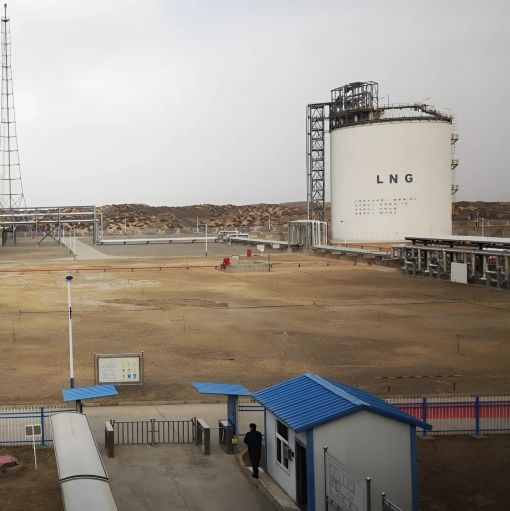
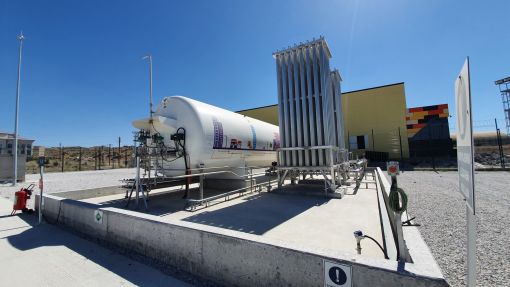
LNG Satellite Plants are facilities where LNG is taken from large LNG receiver or import stations by tankers and trains for storage and transfer to the network when necessary. LNG satellite stations can be built to meet usage needs of various sizes. City gate stations can feed the needs of a small city or town, while smaller satellite stations can meet the energy needs of a factory.

LNG City Gate Plants

LNG City Gate Plants are used for remote small towns or cities which do not have access to natural gas pipeline grids.

lng-satellite-plant-design-installation

Parts of Satellite Stations

LNG Satellite Stations mainly contain storage tanks and atmospheric evaporators along with odorizing systems, interconnection pipelines, valves, and safety systems.

Storage Tanks

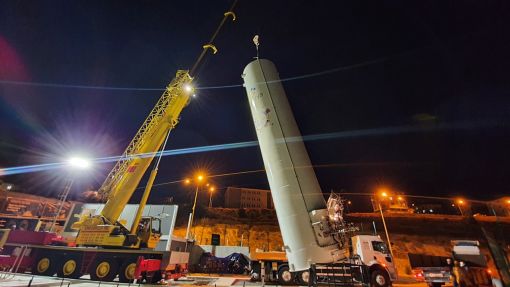
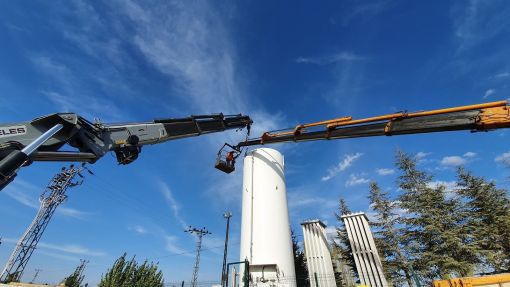
Storage tanks used for LNG storage are cylindrical, perlite and vacuum insulated tanks can be vertical or horizontal depending on the needs. LNG tanks and valves or other equipment on the tank also must have cryogenic properties. Before LNG is loaded into the tanks, the temperature of the inner tank is cooled to -190°C with nitrogen gas and LNG at -162°C is filled. During this transfer, the pump is not used, and the transfer is realized with the pressure difference by reducing the pressure of the inner tank and increasing the pressure of the transfer tanker.

Atmospheric Evaporators

Atmospheric Evaporators are used to convert LNG from liquid phase to gas phase. Evaporators make the LNG gasified using ambient temperature and ready to be consumed. It has high heat exchange capabilities thanks to its large heat transfer surfaces. They are made entirely of aluminum. Since they have no moving parts, they do not require maintenance.

Odorizing Systems

Natural gas is an odorless fuel. However, scenting is done against leaks at the points of use. Due to the very low temperatures in the LNG tank, no odorizing chemicals can be used. For this reason, after LNG is turned from liquid to gas in the evaporator, it is scented with a special chemical in the odoring system.

Safety Systems

It consists of separate systems such as gas leak detection systems, gas temperature monitoring and control system, earthquake monitoring system, LNG facility main control panel and parallel warning panel, boiler room gas leakage alarm system and pressure reduction stations.

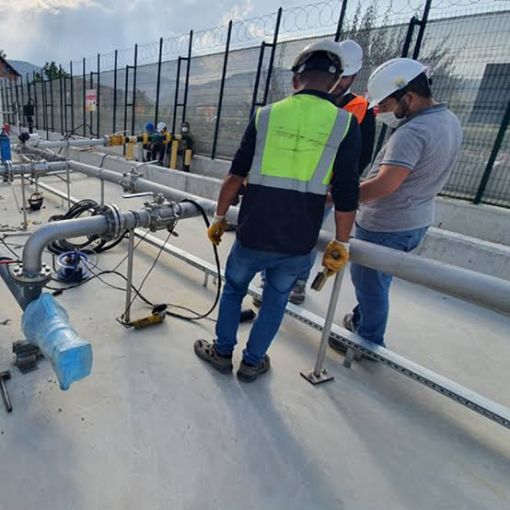
ENERGY SOLUTIONS BG expert engineering team offers all necessary services required to implement LNG Plant Design & Installation projects. For more information, please contact us.

info@energysolutionsbg.com 

 lng-plant-02

lng-plant-03

-------------------------------------------------------------------------------------------------------------------------------

RMS Stations

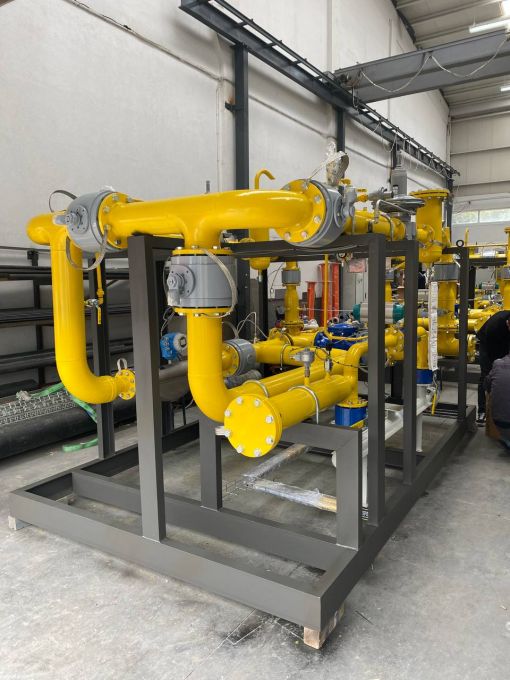
RMS stations are one of the most important systems in the process of transporting natural gas. Natural gas is exposed to many different pressurization conditions during the stages of its extraction from its source, its transfer between cities and countries and its delivery to the end user, and it also needs to be measured under many different conditions. For example, while being transferred between countries, it must be transmitted through pipelines at very high pressures, while city gas transmitted to the end user it must be at very low pressures in order to be used safely.

regulating-and-metering-station


-------------------------------------------------------------------------------------------------------------------------------


LNG REFUELING SYSTEM


What is LNG? LNG as Vehicle Fuel

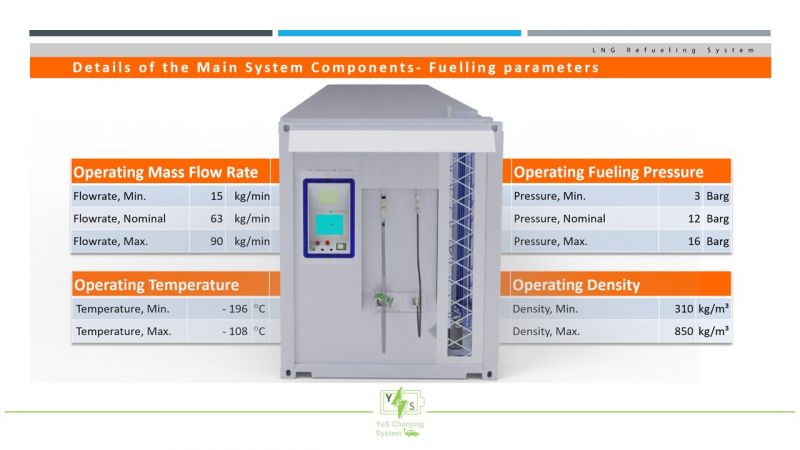
LNG has been widely used as a fuel for heavy road vehicles since 2015. Besides having low emission rates, LNG is also cost-friendly fuel comparing to petroleum products. LNG fueled vehicles’ engines makes less noise and offers a comfortable drive. However, LNG fueling can be challenging because of it is cryogenic nature in which it is stored at -160°C and needs to be served between -105°C to -130°C. Therefore; any LNG refueling systems should offer an excellent ease of use, as well as providing the most efficient system for low methane emission rates. Experienced Uestco team designs and manufactures the most user-friendly LNG fueling systems with state-of-the-art technology.

lng


LNG & LCNG Refueling Stations

a. Public and Private/In-house Stations

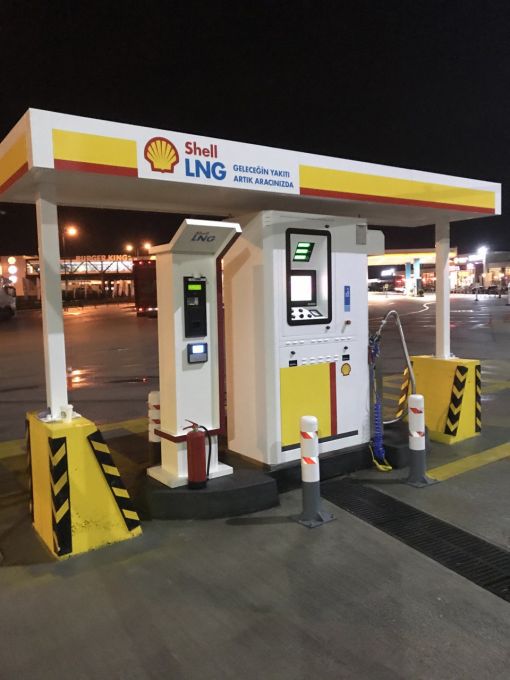
LNG refueling station applications can vary in its end-user purposes. Public LNG & LCNG refueling stations are usually fixed stations with multiple dispensers for serving LNG and CNG. Public LNG & LCNG stations have to comply with MID, or other local requirements in order to sell fuel to the public. On the other hand, in-house LNG & LCNG systems are designed to be used by private companies that run their own LNG or CNG truck fleet.

b. Fixed and Moveable Stations

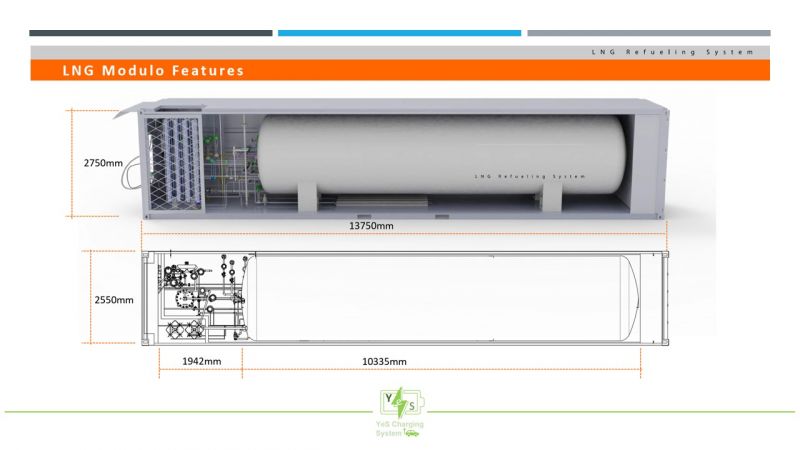
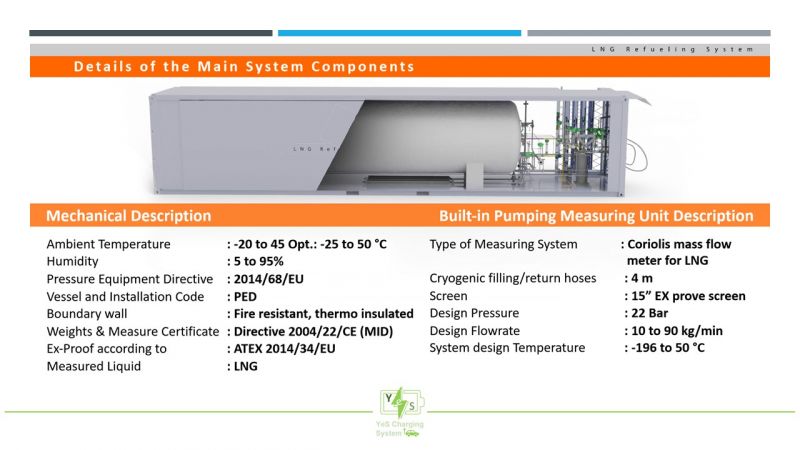
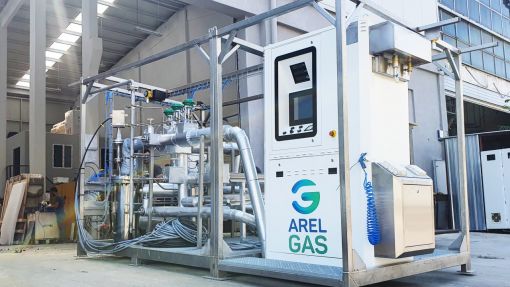
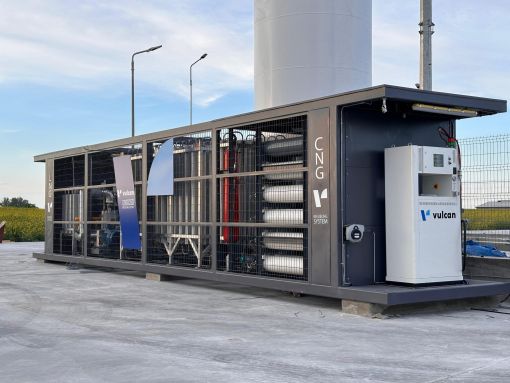
Most of the LNG fueling infrastructure in Europe exist of many fixed stations. In a fixed LNG and LCNG refueling stations, re-locating the system is very costly. Although fixed type of LNG refueling applications can offer a high volume of LNG storage, moveable LNG and LCNG fueling systems can provide great flexibility. Moveable LNG refueling stations are usually designed to work with a fixed LNG storage tank in which re-locating is partially easier but still comes with complications. In order to offer the ultimate solution to LNG refueling, Uestco has designed and manufactured the most compact LNG refueling system: Modulo. This system offers plug & play solution with a storage tank included while providing most comfortable LNG refueling experience.

CNG & LNG as A Fuel for Road Transport

Due to its economic and ecological benefits, the use of LNG in heavy-duty transportation is increasing day by day. Being both a good performance and an affordable option has also increased the demand for LNG stations and the LNG station network is increasing. LNG is a competitive alternative for use in long-distance transport as well as for regional distribution and CNG is mostly used for limited city distribution and garbage collection.

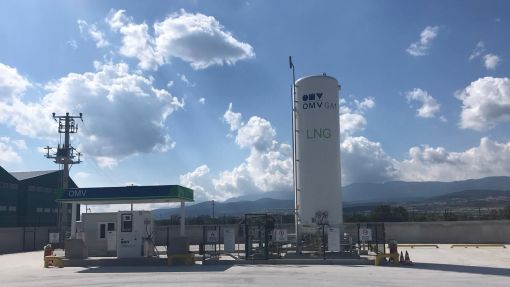
Since LNG is a liquid fuel in fact, LNG stations are structurally similar gasoline and diesel stations. Liquid natural gas (LNG) is stored in a cryogenic tank and then pumped directly to the distributor for liquid distribution.

Equipment found mainly in LNG stations:

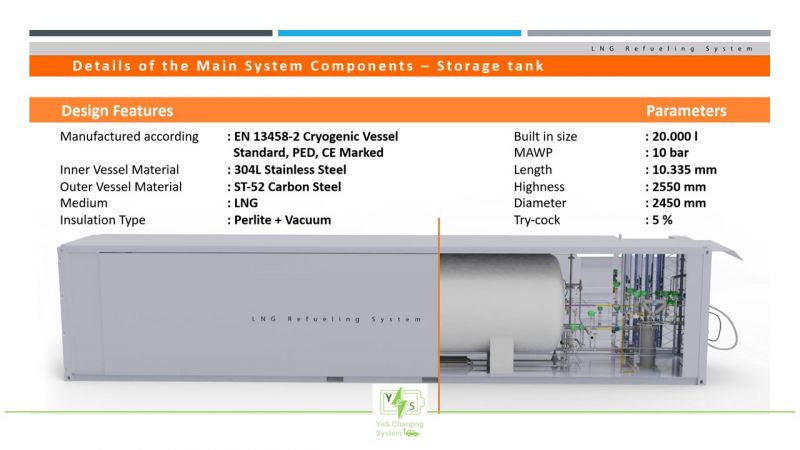
* Cryogenic storage tank for LNG
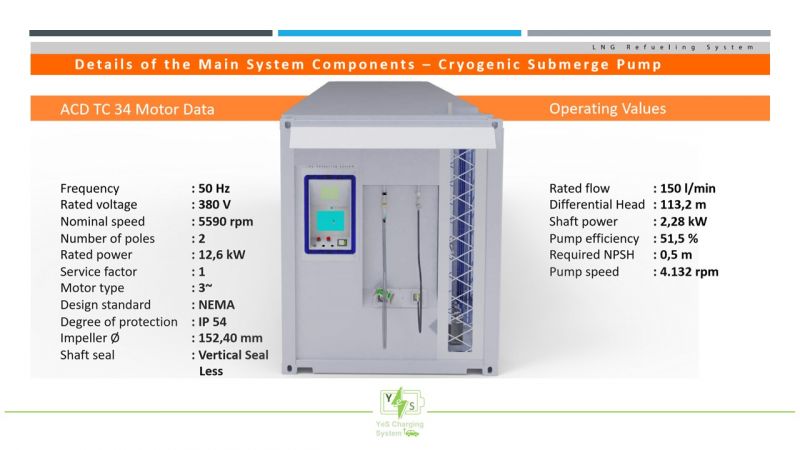
* Cryogenic immersed centrifugal pump skids
* Ambient vaporizer
* Dispensers for LNG connected to a payment system
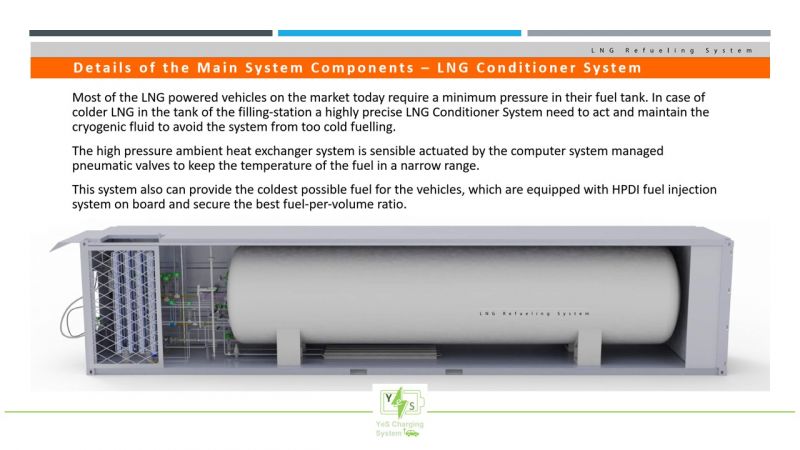
* LNG cooling system to deliver cold LNG and eliminate the risk of gas release to the atmosphere.
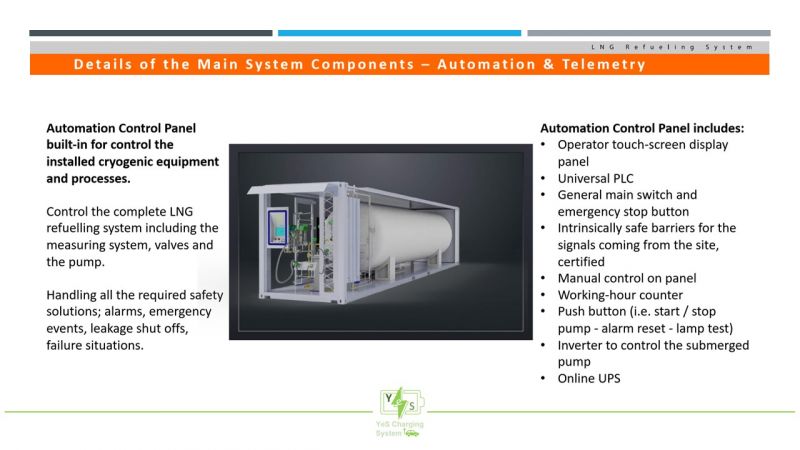
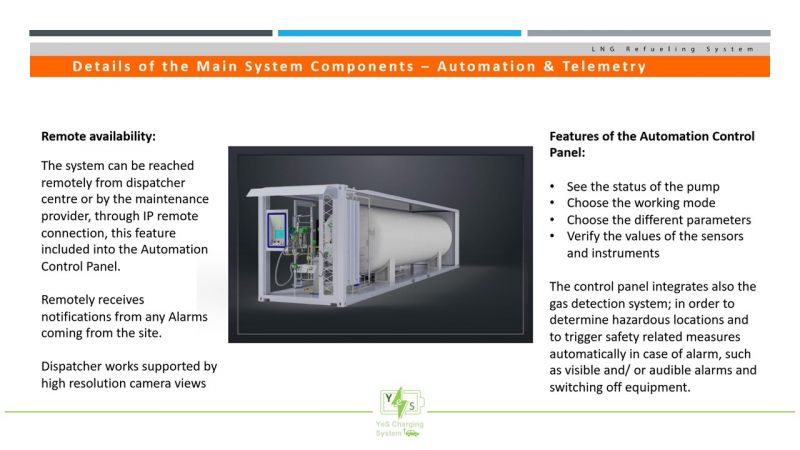
* PLC control system to automate the process which is also equipped with a fast error warning and emergency shutdown (ESD) system.

lng 2

Parts of LNG & LCNG Refueling Stations

a. Cryogenic Tank

All LNG refueling systems are backed by a cryogenic storage tank that tries to keep LNG at around -160°C. Even though well-isolated tanks are trying to keep LNG as cold as possible, it is not an easy task especially in summers. The system as a whole should be designed to minimize the loss in temperature to keep the carbon emission blueprint and fuel costs at the lowest.

b. LNG Dispenser

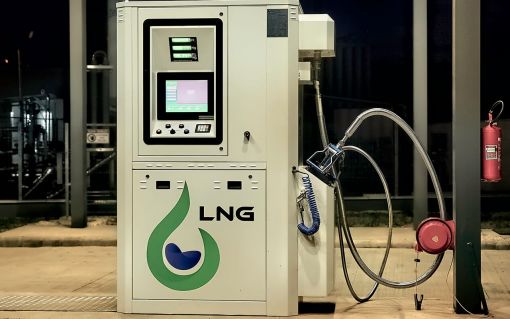
LNG Dispenser is the most used part of an LNG or LCNG stations. Especially LNG fueling can be challenging because of specific procedures to be followed for both safety reasons and maximizing the system’s life-time. For the wider use of LNG as a road fuel, Uestco has developed the ultimate design of LNG refueling dispenser. Whereas traditional LNG dispensers are hard to operate and complex, Smart LNG dispenser offers the most comfortable and safe LNG refueling experience.

c. Cryogenic Pump

Cryogenic pumps are one of the main determinants of the systems’ efficiency. Choosing the right cryogenic pump for the different applications are important for the overall performance of LNG system. Well-designed automation and mechanical system can maximize the life-span and efficiency of cryogenic pumps.

d. Control & Automation System

LNG fueling is mostly a mechanical process, in which well-designed automation systems can increase the efficiency, ensure safety, and provide many flexibilities. Uestco Automation Department composing of experienced engineers ensure all Uestco LNG & LCNG station applications are working flawless.

L-CNG Stations

There are also L-CNG stations which include CNG refueling dispenser with some additional equipment adapted to LNG stations. The additional or replaced equipment to enable CNG refueling in LNG station set-ups are:

* High pressure ambient vaporizer
* CNG buffer tank
* CNG dispenser

lng 5

State-of-the-Art Solution for LNG Refueling!

New Generation LNG Dispenser is designed to make LNG vehicle refueling user-friendly and simple.

EASE OF USE

Apart from the primary read-out screen where basic information (such as fuel quantity and price) is displayed, The LNG dispenser has a second informative screen that guides the user and provides extra information. Sun protected informative screen’s brightness is 1200 NITs. It provides fueling process information in all languages. Informative display guides the user with animated illustrations.

SAFE AND FAST REFUELING

The LNG Dispenser is equiped with ESD system that includes gas leak detection and hose break-off warning. LNG Dispenser has max. 90kg/min flow rate that offers a gasoline or diesel-like fast refueling experience.

SMART REFUELING SYSTEM

It utilizes the high-tech, electronic board design, managed by intelligent algorithm for absolute control on refueling process. When truck’s tank is full, auto-stop mode is activated automatically. Equipped with fast error-warning system.

QUALITY  ASSURANCE

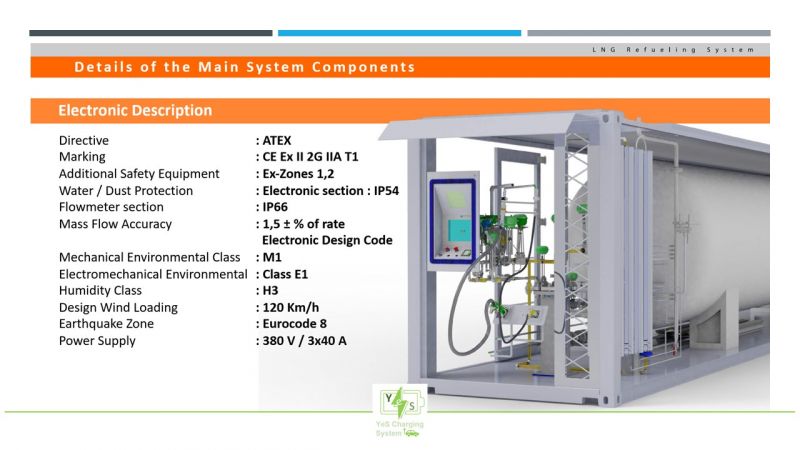
LNG Dispenser complies ATEX, MID, PED directives

lng 6


lng 3

Core Features


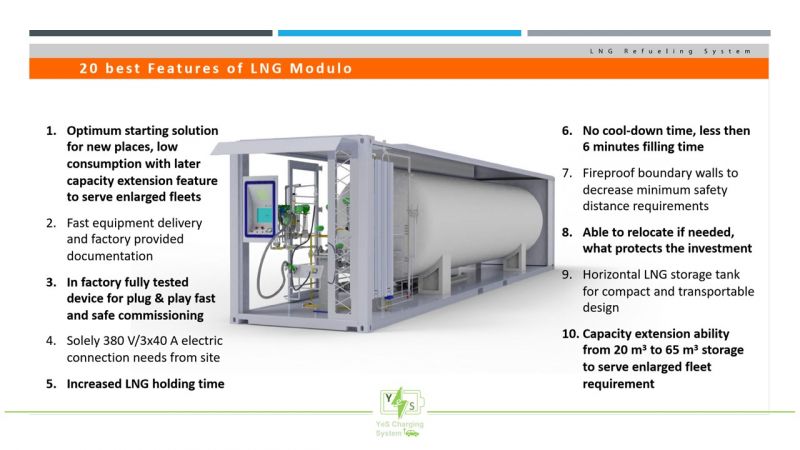
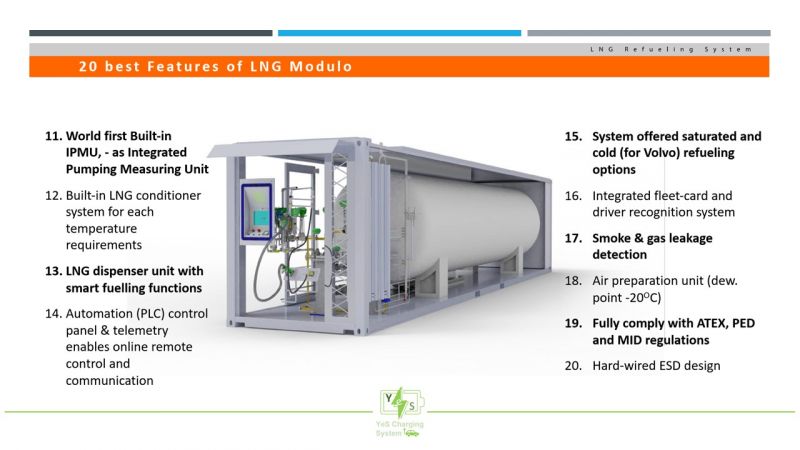
20 best Features of #LNGRefueling System

1. Optimum starting solution for new places, low consumption withlater capacity extension feature to serve enlarged fleets

2. Fast equipmentdelivery andfactory provided documentation

3. In factory fully tested deviceforplug & play fast and safe commissioning

4. Solely 380 V/3x40 A electric connection needs fromsite

5. Increased LNG holding time

6. No cool-down time, less then 6 minutes filling time

7. Fireproof boundary wallsto decrease minimum safety distance requirements

8. Able to relocate if needed, what protectstheinvestment

9. Horizontal #LNG storagetank for compact and transportable design

10.Capacity extension ability from 20 m3 to 65 m3 storage to serve enlarged fleet requirement

11.World first Built-in IPMU, -asIntegrated PumpingMeasuringUnit

12.Built-in LNG conditioner system for each temperature requirements

13.LNG dispenserunit with smartfuellingfunctions

14.Automation (PLC) control panel & telemetry enables online remote control and communication

15. System offered saturated and cold(forVolvo) refueling options

16. Integrated fleet-cardand driver recognition system

17. Smoke & gas leakage detection

18. Air preparation unit (dew. point -20OC)

19. Fullycomply with ATEX, PED and MIDregulations

20. Hard-wired ESD design


----------------------------------------------------------------------------------------------------------------------------


Project Management & Consultancy

PROJECT MANAGE

At ENERGY SOLUTIONS BG, we offer comprehensive project management and consultancy services that are tailored to meet the specific needs of each client. Our approach integrates technical expertise, industry knowledge, and a deep understanding of client requirements to deliver successful outcomes.

End-to-End Project Management

From initial planning and design to execution and final delivery, we manage every aspect of your project. Our experienced project managers ensure that timelines, budgets, and quality standards are consistently met, minimizing risks and maximizing efficiency.


Consultancy Services

Our consultancy services provide expert guidance at every stage of your project. Whether it's feasibility studies, process optimization, or strategic planning, we offer insights and solutions that help you achieve your goals. Our consultants bring a wealth of experience in automation systems, SCADA, telemetry, and Industry 4.0 technologies, ensuring that your project is aligned with the latest industry trends and standards.


Risk Management

We prioritize identifying and mitigating potential risks early in the project lifecycle. Our proactive approach to risk management ensures that your project stays on track and within scope, addressing challenges before they become critical issues.

Customized Solutions

We understand that every project is unique. Our team works closely with clients to develop customized solutions that address specific challenges and objectives. Whether you require a fully integrated automation system or specialized consultancy in a particular area, we tailor our services to meet your needs.


Sustainable Practices

Sustainability is a core value at Uestco. We incorporate sustainable practices into our project management and consultancy services, ensuring that your project not only meets current requirements but also contributes to long-term environmental and social goals.


Global Experience, Local Expertise

With a broad geographical reach and a deep understanding of local markets, Uestco combines global experience with local expertise. We have successfully managed projects across various regions, adapting our approach to meet the unique demands of each location.


Order form
Name
Order Qnty
E-Mail
Telephone
Country
Adresses
Post Type
Message


Visitors Info
Aktif Ziyaretçi1
Bugün Toplam68
Toplam Ziyaret53055